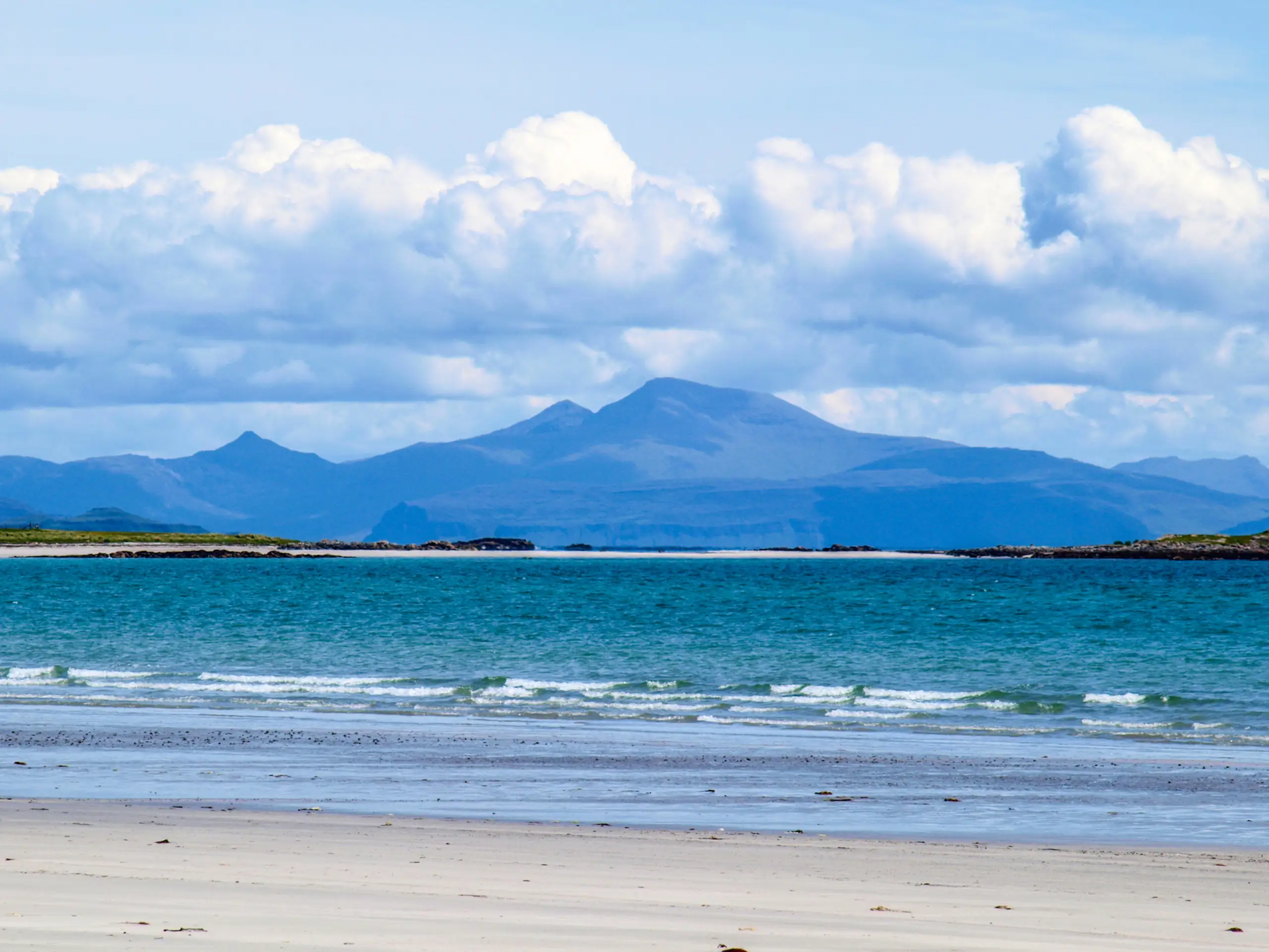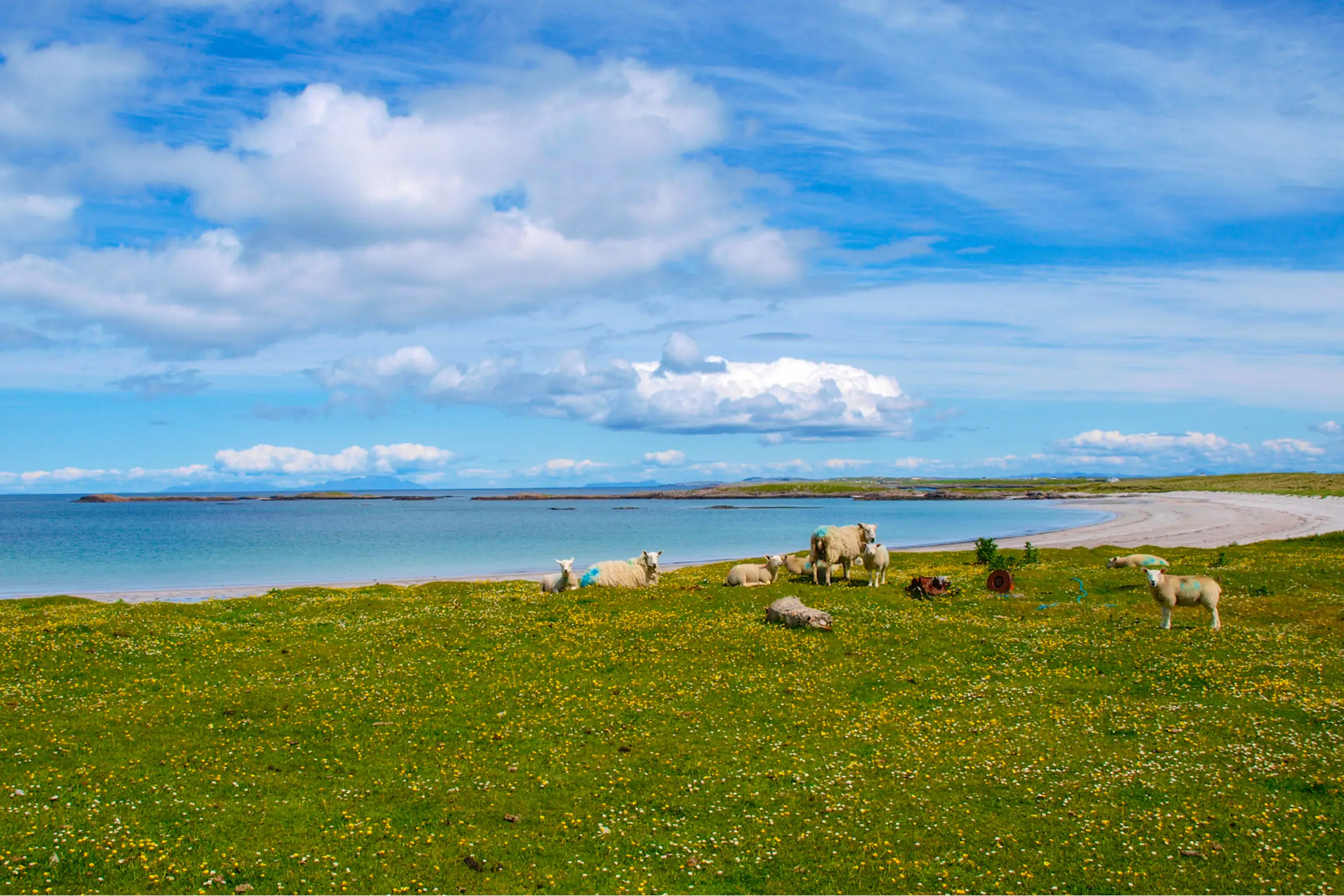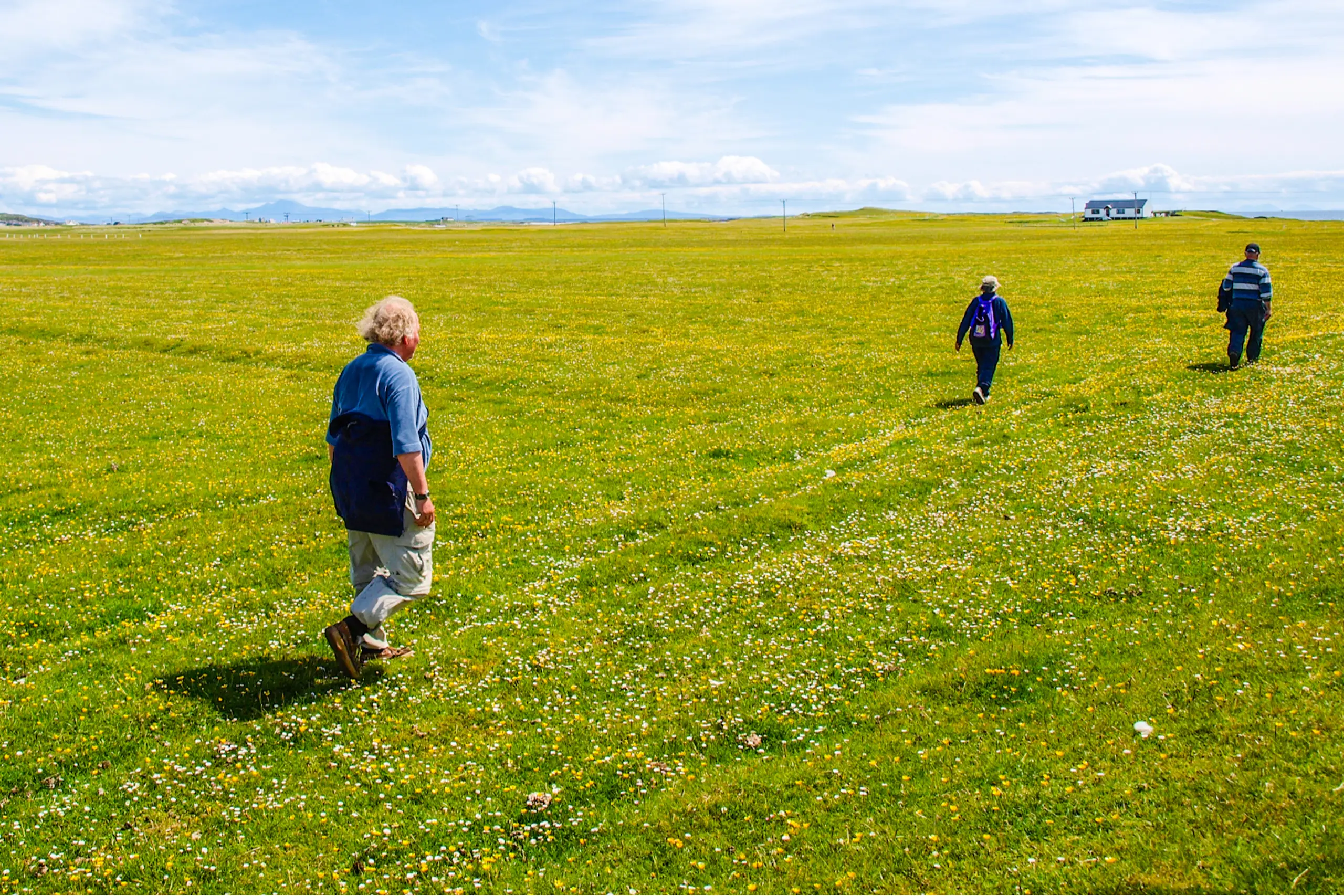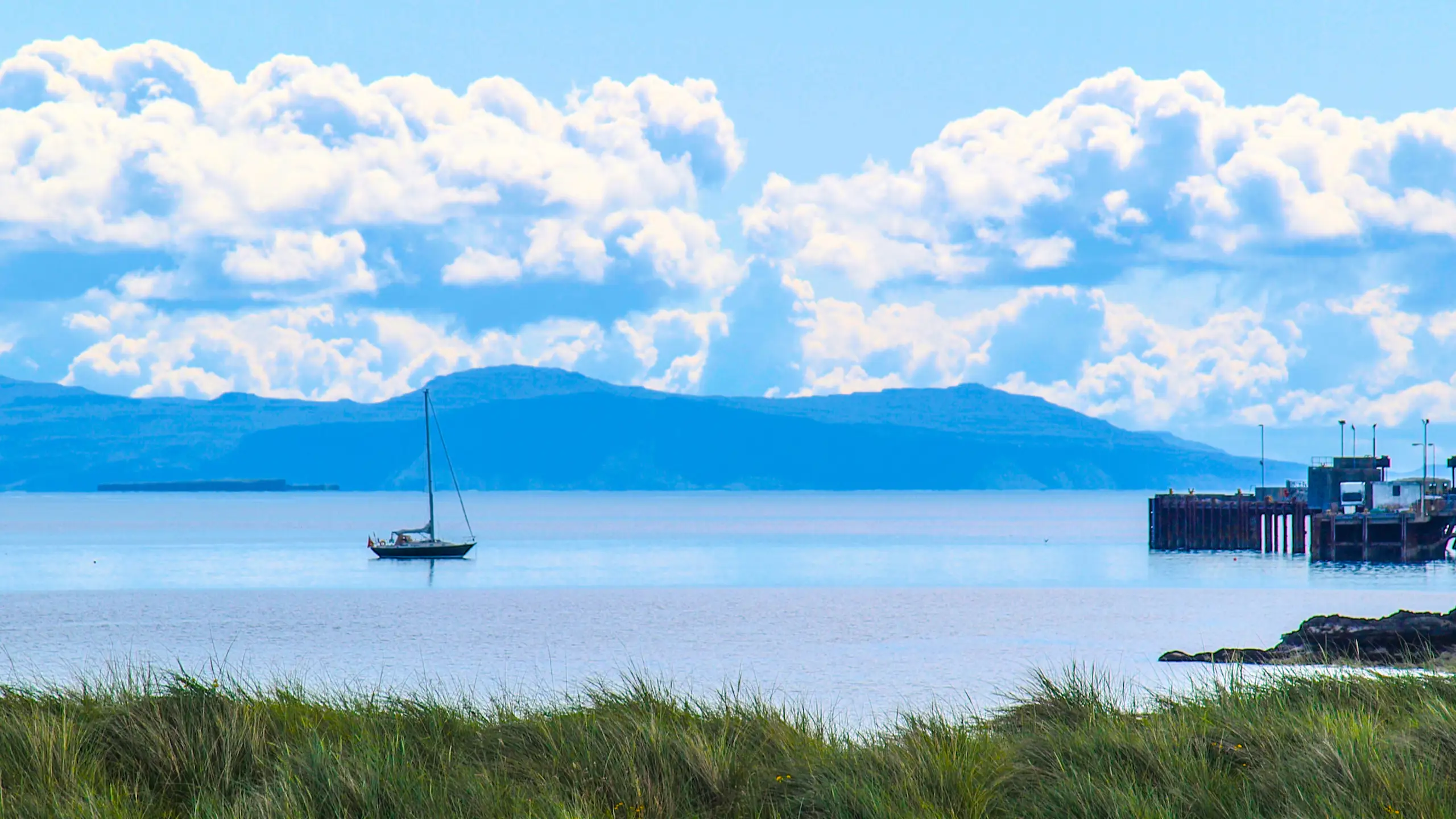
Large roll-on roll-off ferry piers are not an attractive feature in any anchorage, particularly in Gott Bay where the pier so dominates the flat landscape. But if you have made the effort to sail here it is worth getting off the boat, at least for a bit of a wander to admire the meadows full of wild flowers in the summer, corncrakes squeaking away. This is fertile farming land. Some visitor moorings appeared in 2017, if you don't want to anchor.
Scarinish, the main village, is a 15-minute walk, and has an excellent Co-op and even a butcher (but how long will he survive if even Mull can't support a butcher?). The village was developed by the Duke of Argyll for fishing in the 18th century. Since 1999, the corrugated iron building on the road just south of Scarinish, An lodhlann, originally built as a refuge for ferry passengers, then repurposed as a reading room, now contains the Tiree Heritage Centre which looks after several thousand items covering the island's history. Call in to take a look.
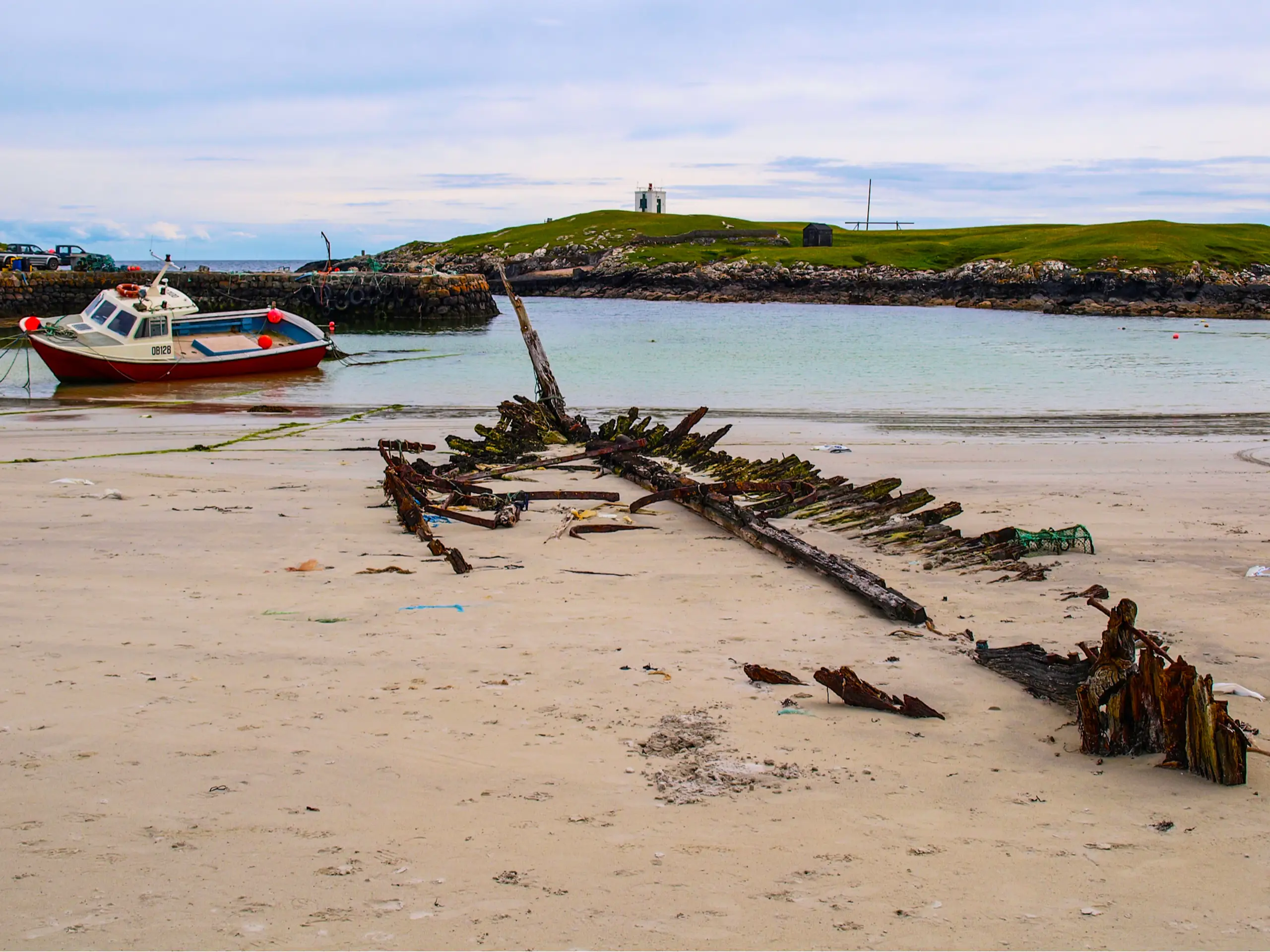
You will find the Scarinish Beach Hotel by the small and quite scenic old harbour. I have not been inside but it didn't look very promising from the outside (ph 01879 562123). However needs maybe must as the only other hotel, and bar, is about 30 minutes walk around the bay, the Tiree Lodge Hotel. It did seem run-down, there was no real ale, and the barmaid was unfailingly glum but that was way back in 2011 (ph 01879 220329). In 2013 it was under new management so things may have looked up. You will find a couple of medieval chapels and a burial ground to explore behind the hotel, so go and see for yourself.
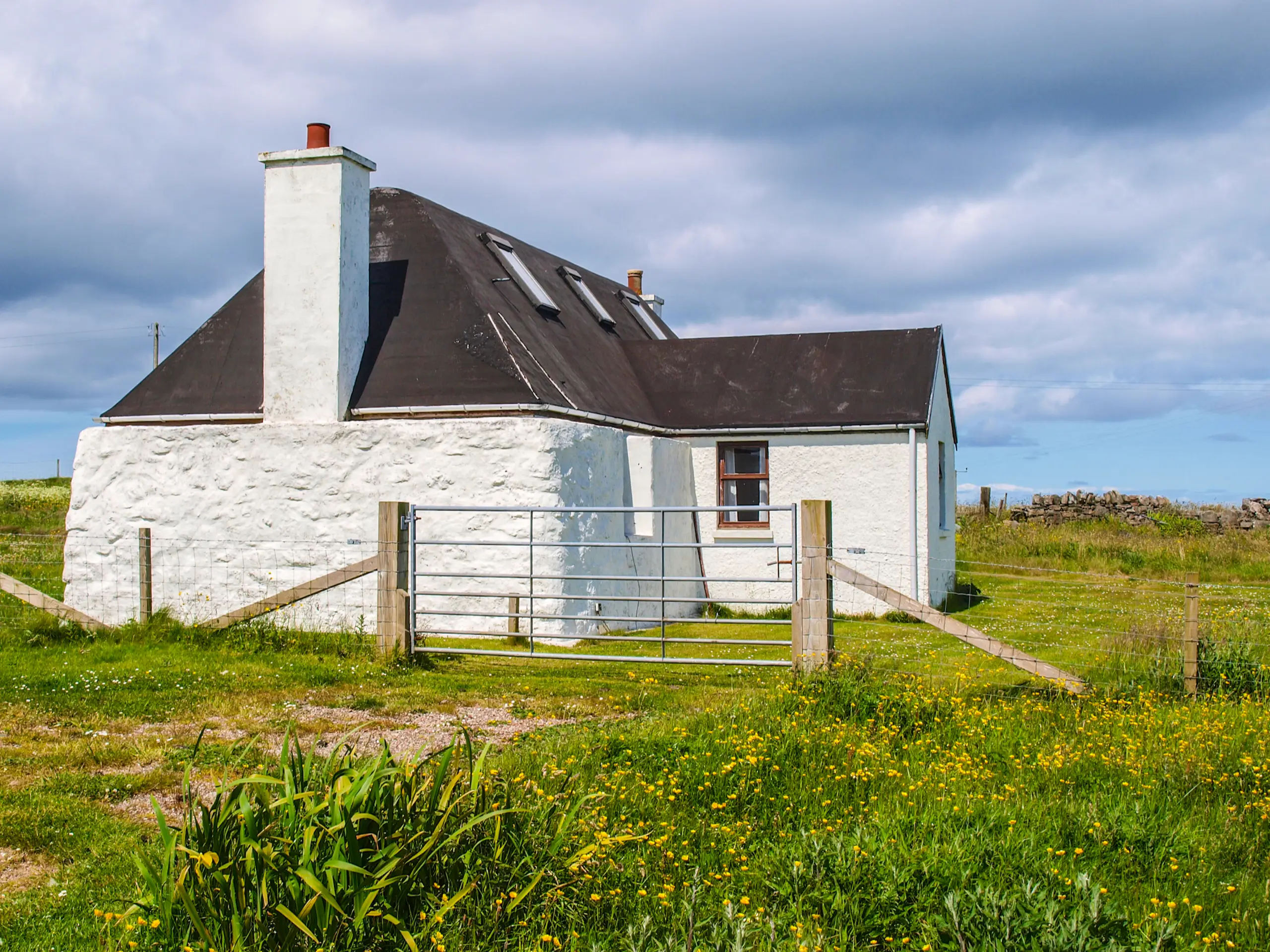
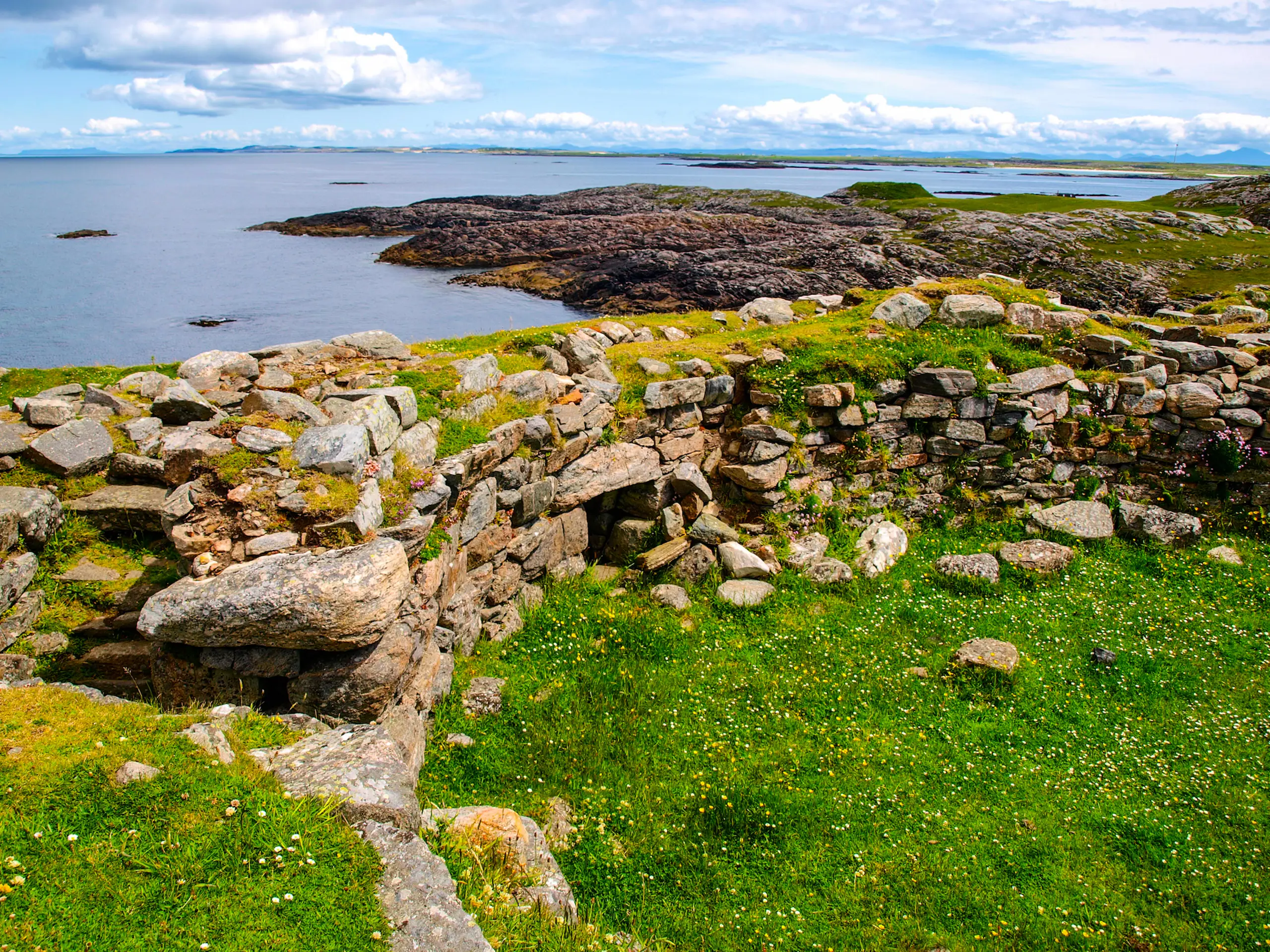
If you have a morning to spare and could do with a longish walk there is a good circuit to take in the Ringing Stone (a large rock covered with cup marks on the northwest shore which when hit with a stone sounds hollow) and the 2nd-century Broch at Vaul which is in better condition than Tirefour on Lismore, but still only a few stone courses high. On the way, you will find the nine-hole golf course where, because it is essentially open meadow-land, the greens are enclosed so the animals can't get in to ruin them (apparently you have to chip the ball over the fences to reach the holes). There are fabulous beaches and the open farmland is most attractive. It is also good to see the sympathetic way many of the old cottages have been restored, so much nicer than the modern houses (but I suppose darker inside without all those picture windows with views, and less convenient to live in and harder to heat). And unlike many of the other islands, the houses have been painted white, much more cheery than the ubiquitous grey.