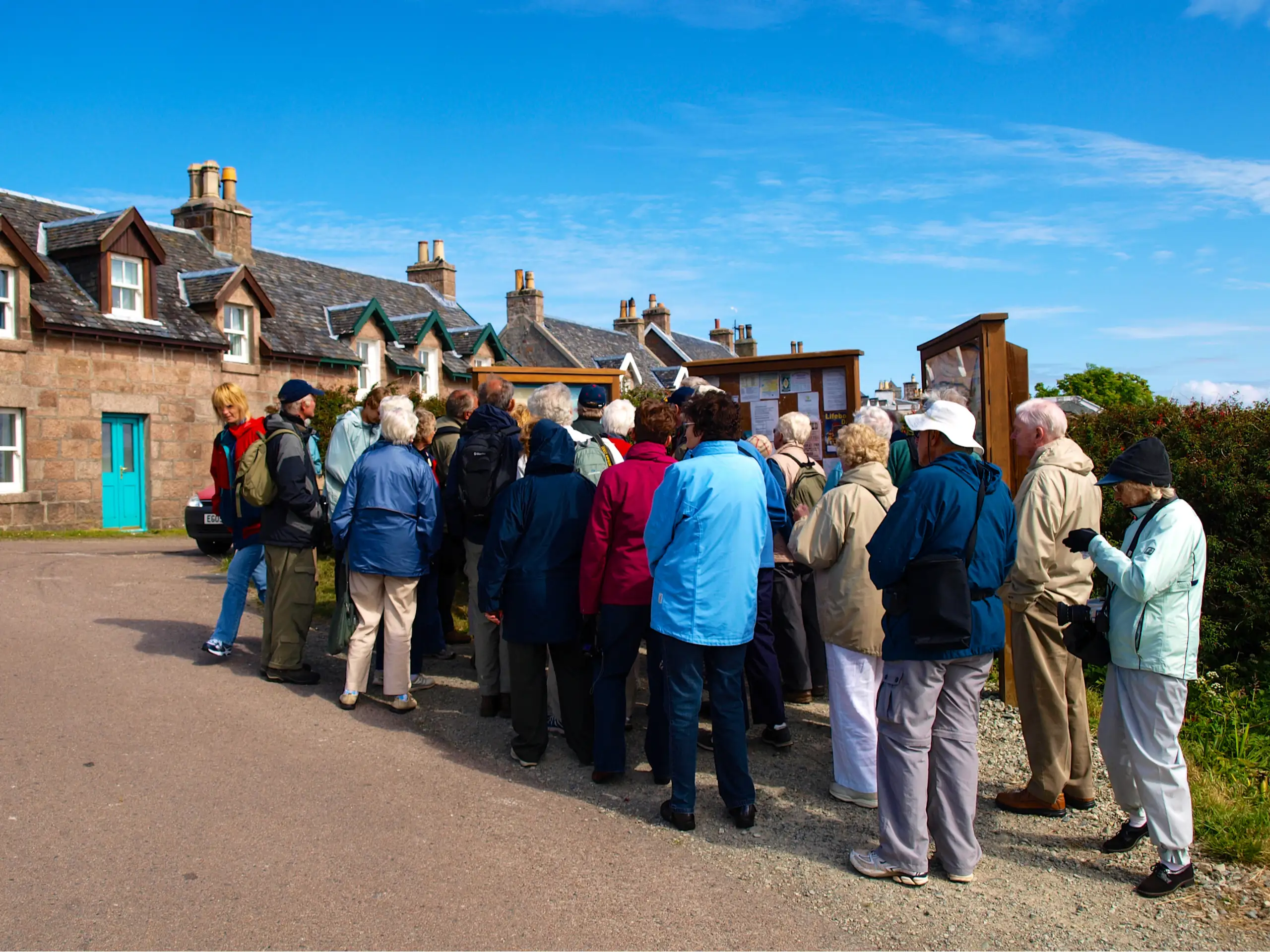
The pressure on Iona of national and international tourism is more extreme than anywhere else on the West Coast. Clearly the tourist office knows its business. Where else do the tourists feed and then overfeed the seagulls? Where else would an American tourist ask my very English friend from Dorset to pose for a photo because she assumed he was "one of the locals around here"? Mind you in winter everywhere shuts up, including both hotels, and the place is weirdly deserted, even though nearly 200 people live on the island. But despite the extreme pressures of tourism, Iona radiates peace and charm, perhaps because of the remarkably temperate climate. Or the fertile land. Or the centuries of Christianity of which there is a lot around after being introduced from Ireland by St Columba in the 6th century (Kings from three nations are buried here — Scotland, Ireland and Norway). Certainly the wonderful quality of the light attracts artists, and the views across to the formidable backdrop of Mull constantly amaze. "Perhaps in the revolutions of the world, Iona may be sometime again the instructress of the Western Regions" speculated Samuel Johnson in 1773 when he surveyed the ecclesiastical ruins, and poverty, that was then Iona (A Journey to the Western Islands of Scotland. Samuel Johnson. 1775, Ed RW Chapman, Oxford University Press, 1970).
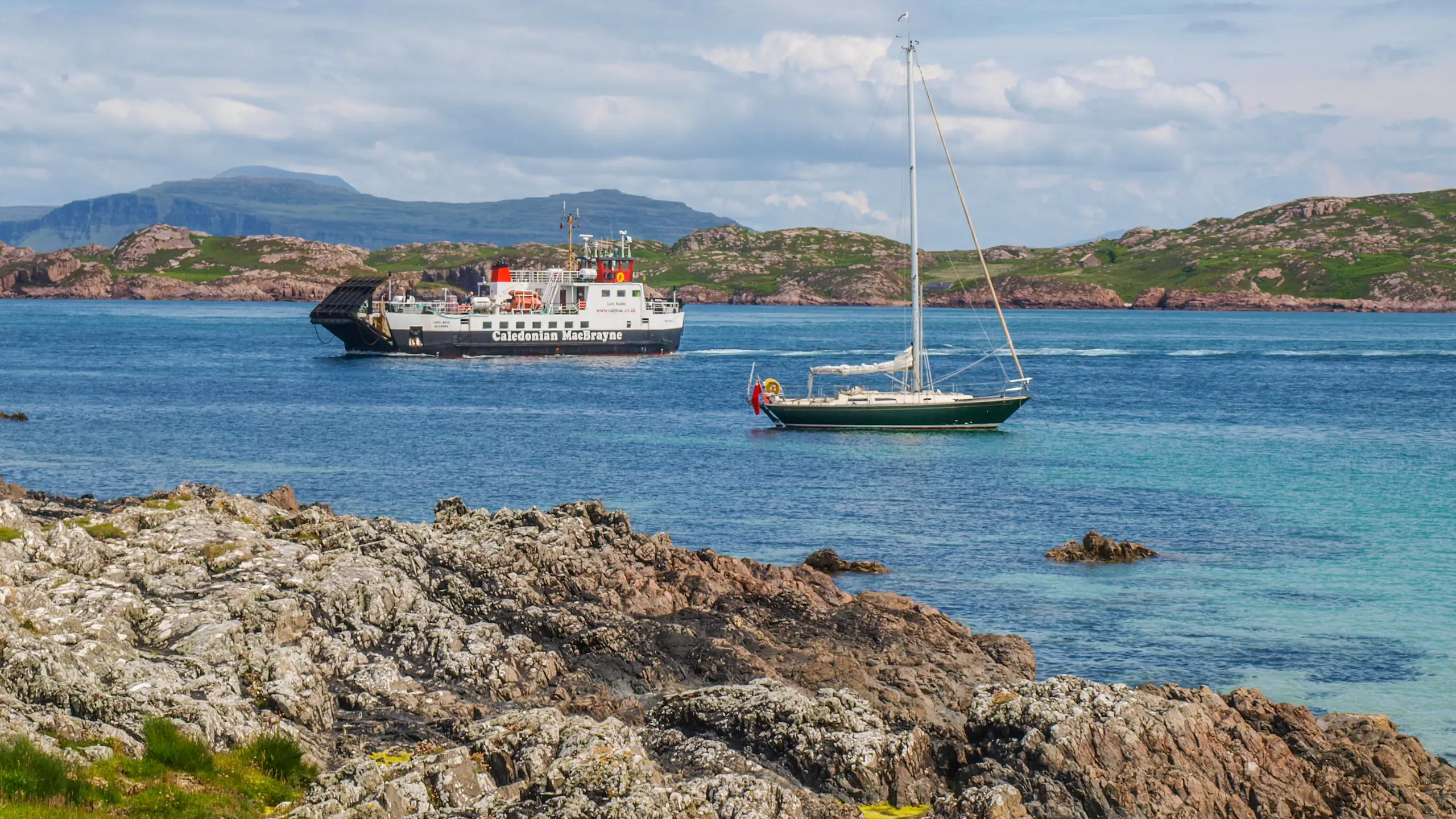
Although the anchorage is slightly dodgy and exposed, with a tedious swell and tide, it would be a shame not to stop, for a few hours anyway. But watch out, this is the one place I have got an anchor so stuck that it bent in my efforts to release it. Of course it is frustrating not to be able to spend longer here. But you can always anchor in the Bull Hole, walk to Fionnphort, or even anchor there, although it is tricky with the ferry and various cables, and then take the ferry to Iona. Or in quiet conditions, anchor a bit up the coast at Port na Fraing.
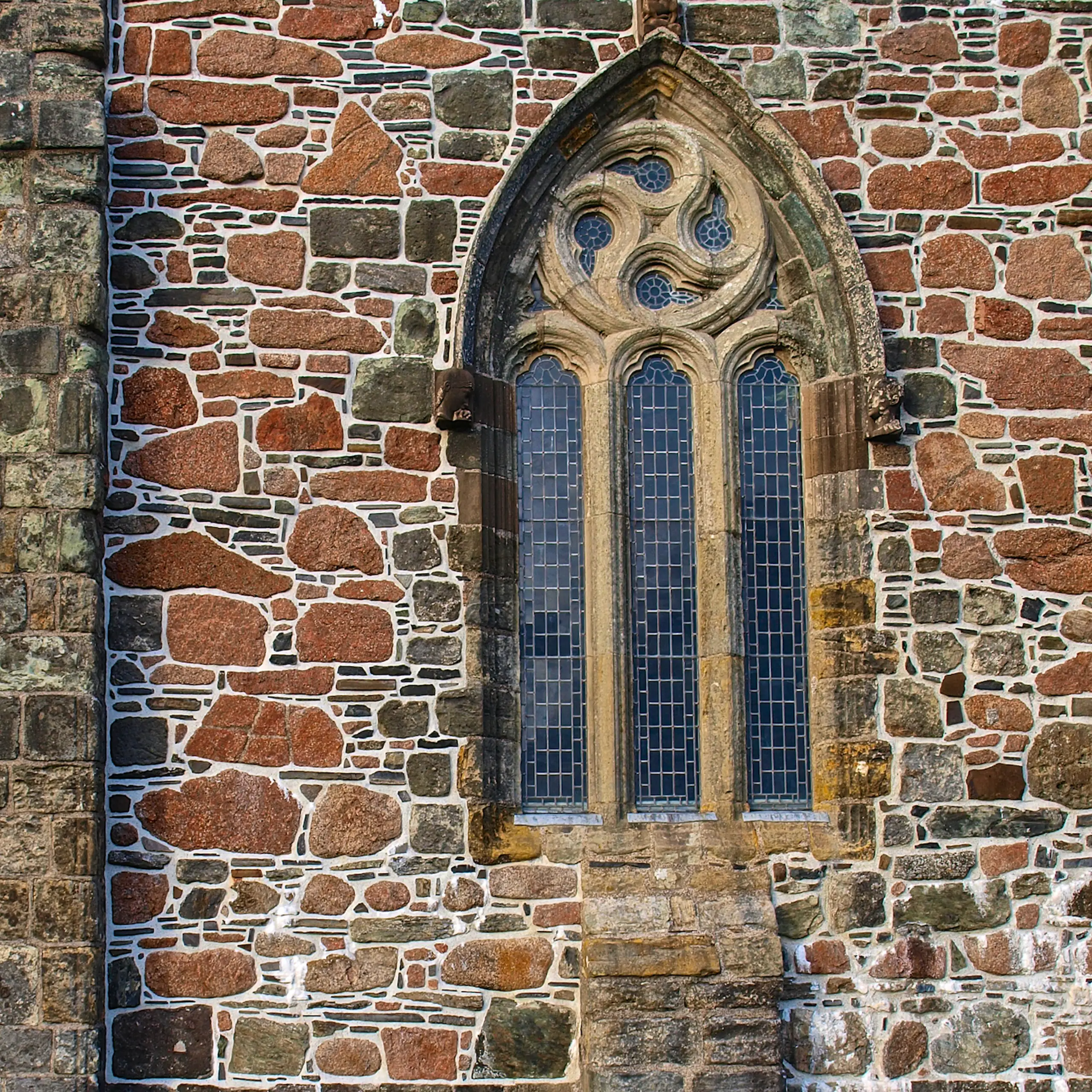
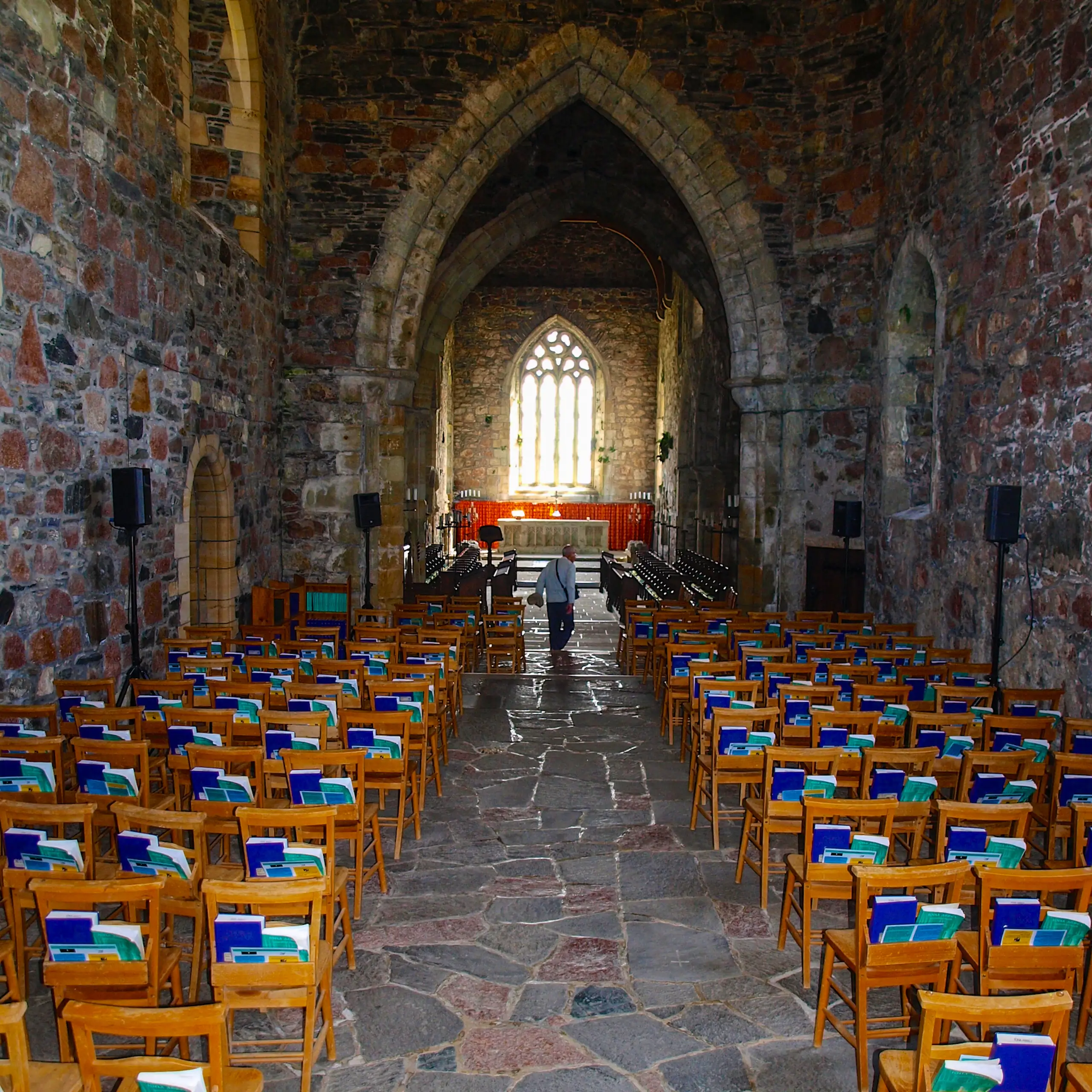
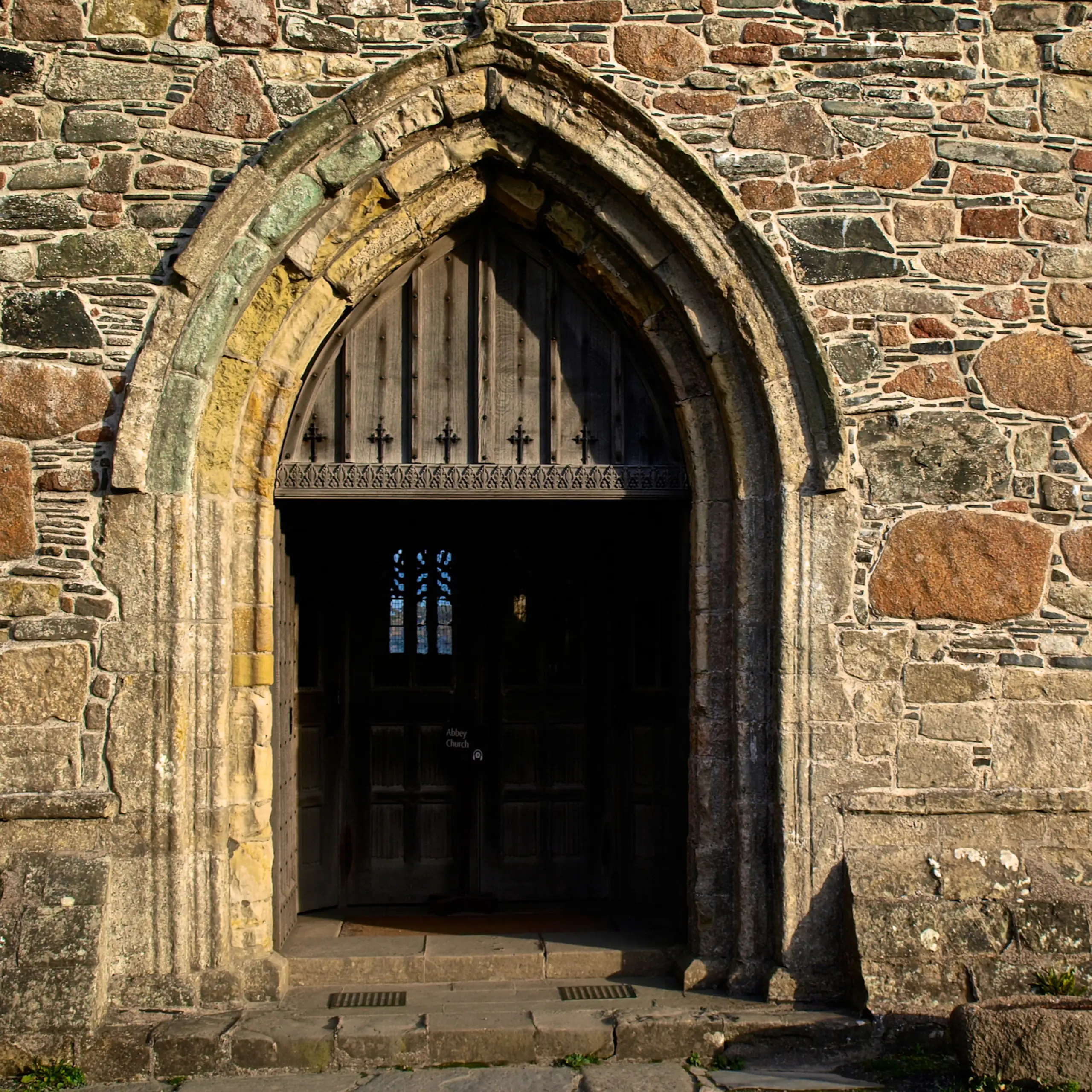
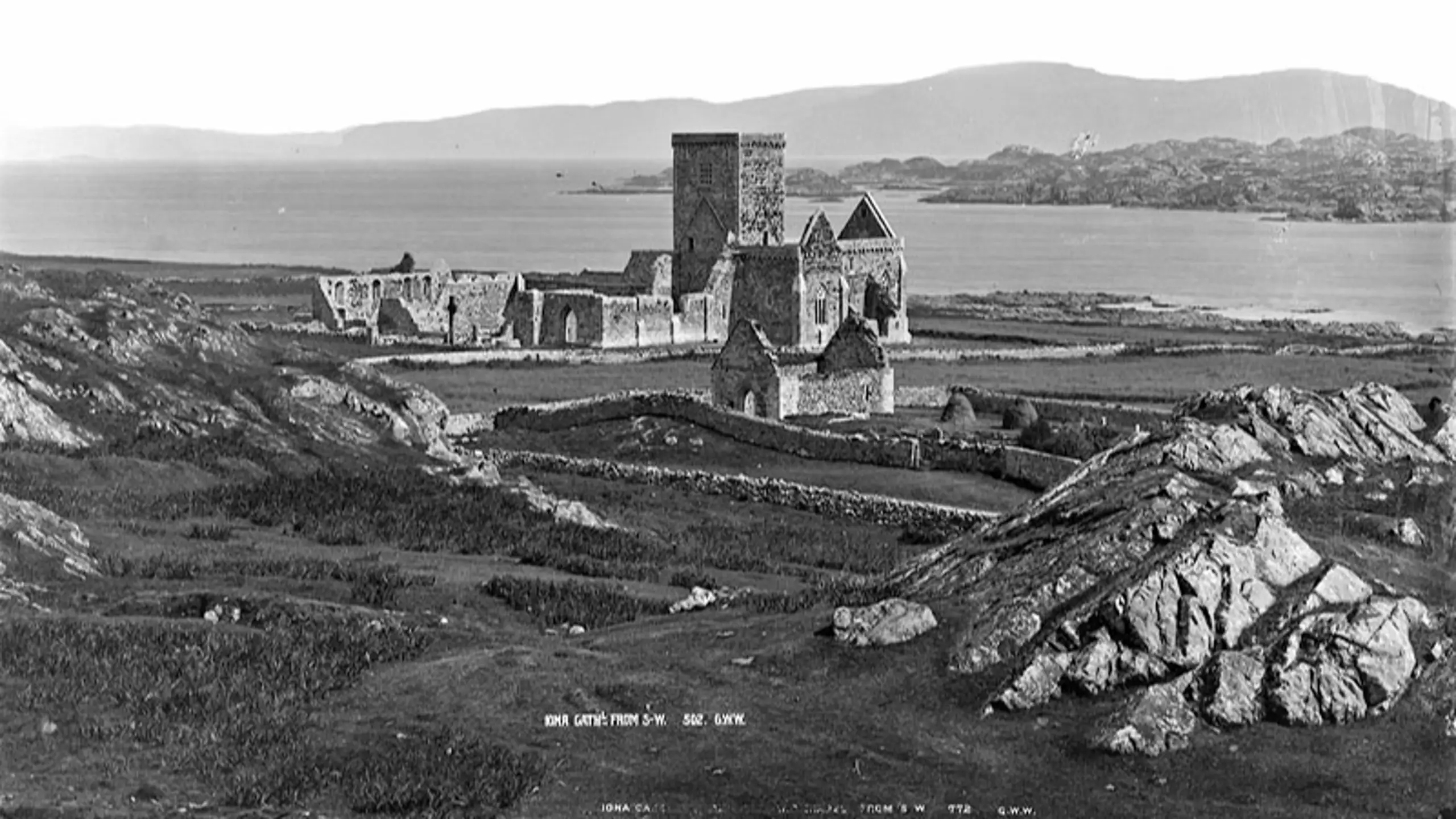
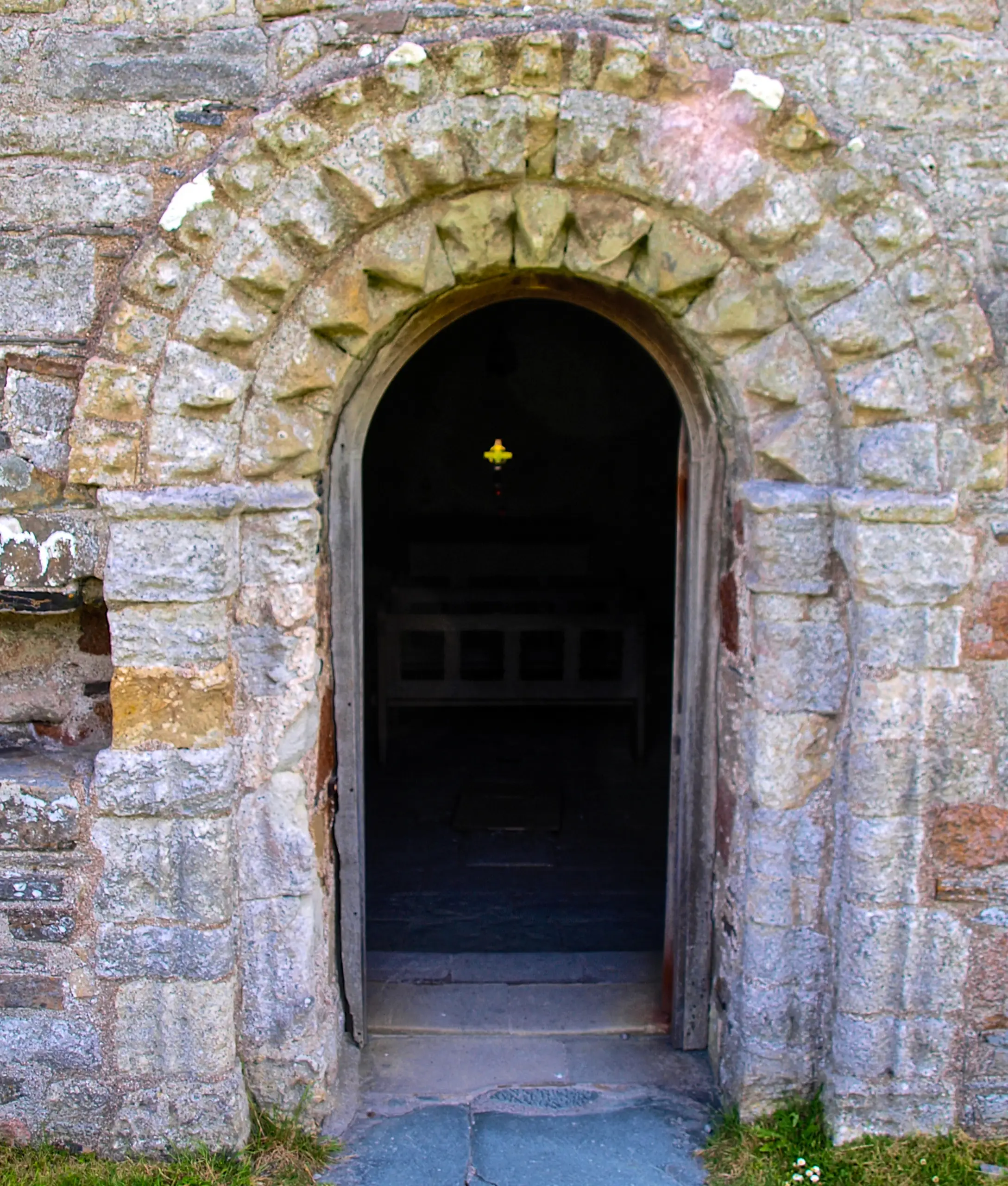
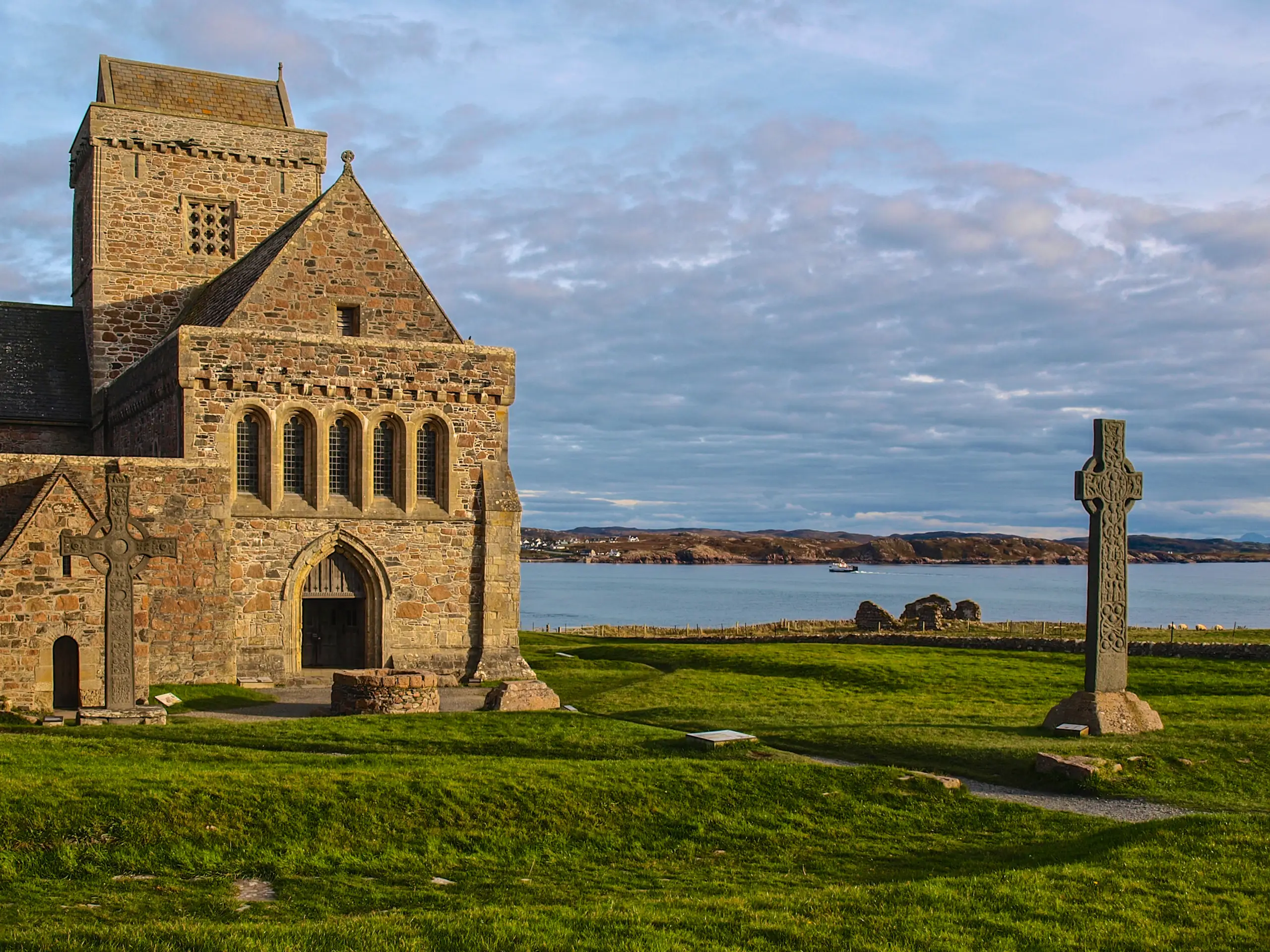
In high summer it is perhaps best to go ashore later in the day when most of the tourists have departed by ferry back to Mull, but not too late or everywhere will have closed. Take a look at the Abbey in peace and quiet. Originally a Benedictine monastery, it was destroyed during the 16th century Reformation and lay more-or-less derelict until the mid-20th century when George Macleod founded the Iona Community which remarkably brought together ministers and craftsmen to restore the Abbey to what you see now. Maybe it is a bit too tidy and thus sterile, but it is still an astounding achievement. It is fascinating to compare the interior stonework, some new, other bits old and weathered from being so long in the open air. Lots of work for stonemasons here. 'Pevsner' as ever hits the nail on the head "This is no ruin merely arrested in its decay to charm or intrigue the tourist but a working church restored to worship and religious study, brought back to the island, however improbable it may seem, by 20th century faith" (The Buildings of Scotland, Argyll and Bute. Frank Arneil Walker, Penguin Books, London, 1992 ). The adjoining museum, opened in 2011, is very well laid out. Lots of high crosses and graveslabs. The 12th century St Oran's chapel in the Abbey grounds is a favourite of mine — very small, very quiet, very simple.
These days everything is looked after by Historic Environment Scotland but the Iona Community remains very active — a "dispersed Christian ecumenical community working for peace and social justice." Their welcome centre, gift and bookshop across the road from the Abbey has the biggest collection of religious books I have ever seen.
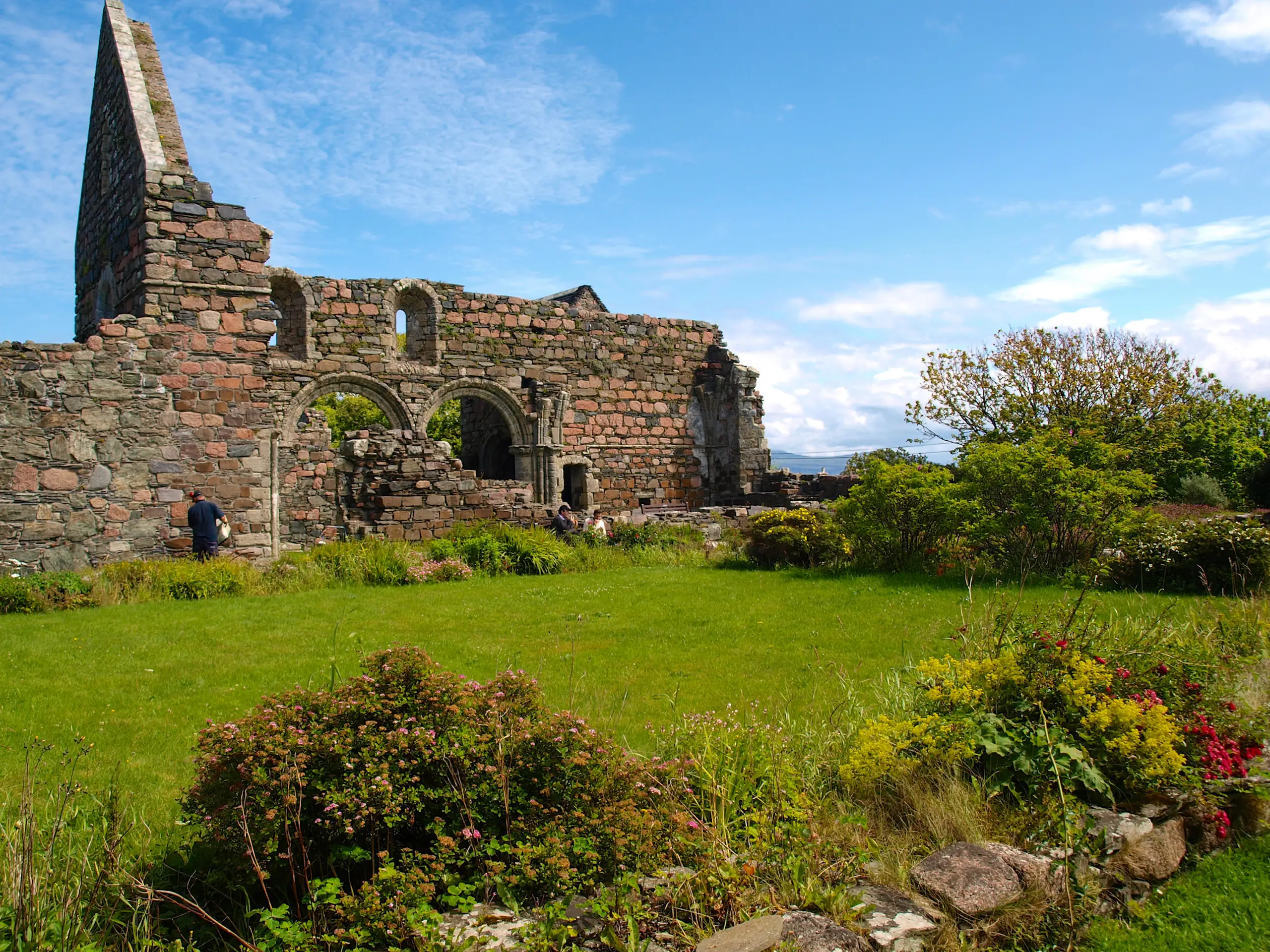
On the way to the Abbey, walk through the ruined Augustinian 12th century nunnery, again abandoned after the Reformation. Carefully tended flowers grow on the old walls and in a wild garden. But it was not quite as neat when Pennant visited in the 18th century: "The floor is covered some feet thick with cow-dung; this place being at present the common shelter for the cattle; the islanders are too lazy to remove this fine manure, the collection of a century, to enrich their grounds" (A Tour in Scotland and Voyage to the Hebrides 1772. Thomas Pennant, Birlinn, Edinburgh, 1998). He clearly had a very low opinion of the inhabitants who he thought "the most stupid and the most lazy of all the islanders"!
There is something very mystical about all this early Christianity. As a baptised and confirmed member of the Church of England, but no longer a believer if ever I was, it is impossible not to be affected by the place. Certainly years ago one of our crew was. She bunked off and took the bus home to London! The Iona Heritage Centre is a small and informative museum, with a lovely hidden-away café and shady garden (not open evenings). It is in the old manse, another Telford, as is the adjacent 1828 parish church although it has been switched around inside so the original pulpit which was on the south wall has gone, and there is more of a lectern instead.
There are a number of food and crafty shops to wander around in the only village, and you can of course stock up on bread and milk. There are a couple of hotels which I have not properly explored. The Argyll Hotel (ph 01681 700 334) has an excellent position and is more scenic outside than inside. The narrow road in front of the hotel is particularly charming, and note the Post Office. The St Columba Hotel (ph 01681 700304) on the way to the Abbey seems a rather grander place than the Argyll where it is nice to eat on the lawn in the sunshine.
For young children, Martyrs' beach, right by the anchorage, is a tiny paradise of fine sand and turquoise sea, and at the right time of the year there are corncrakes calling. For the energetic, bikes are for hire to explore the island.
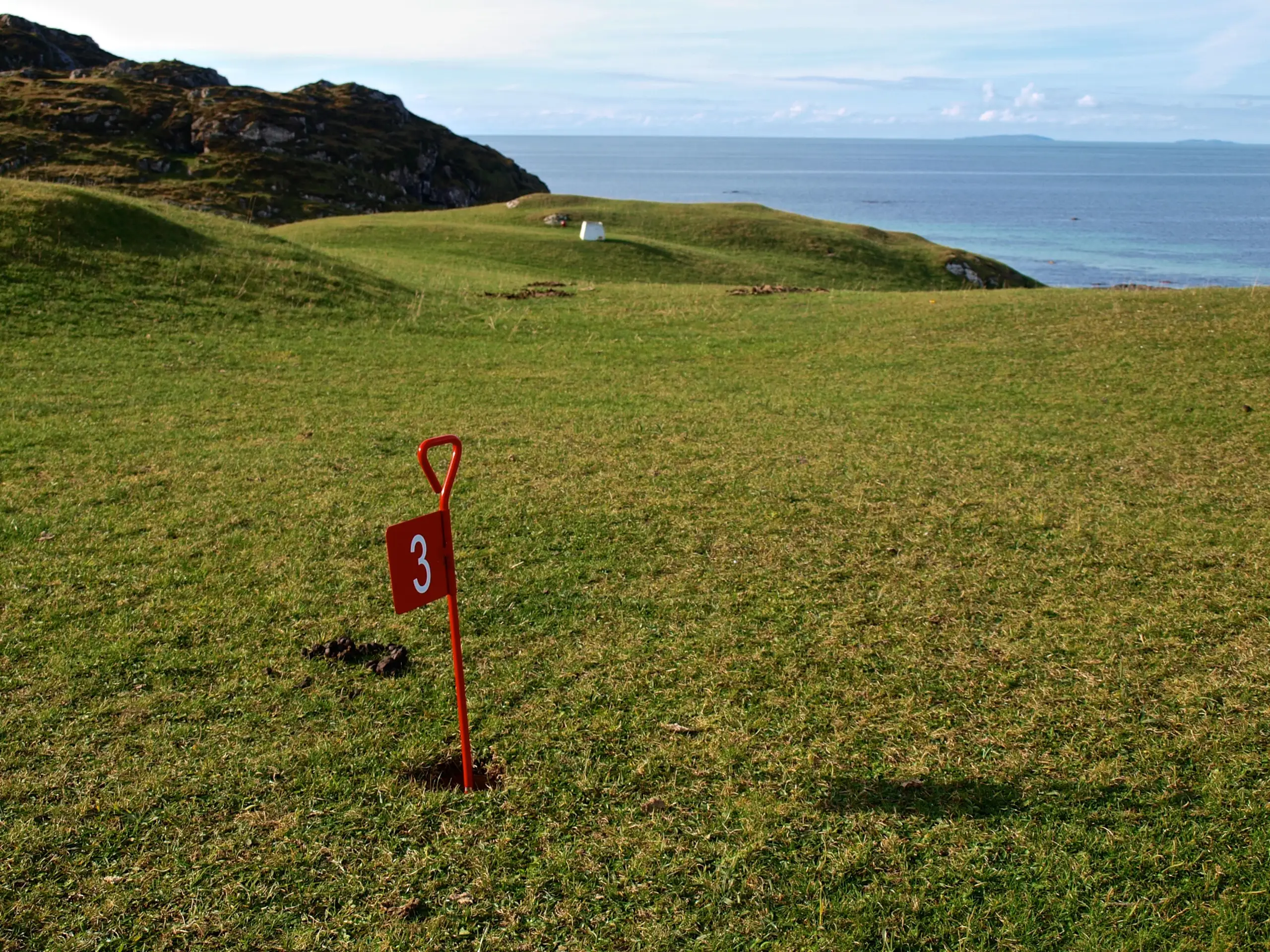
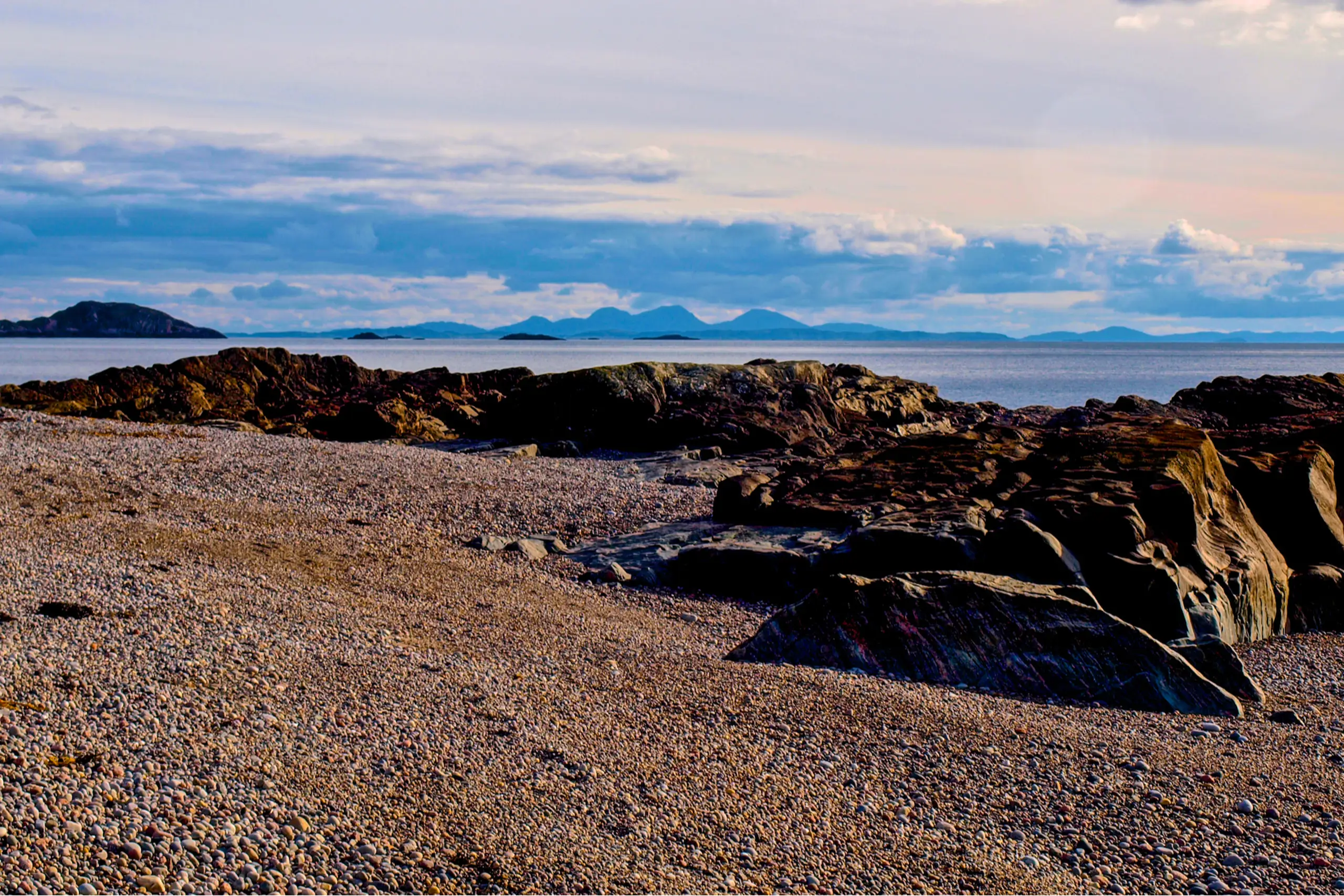
And if you must, there is — amazingly — an 18-hole golf course so informal it is free. It is in a fabulous setting on the bright green machair less than a mile from the pier. No club house, no toilets, but plenty of sheep and cows, and a bull. I could even be tempted to take up golf if I lived here. There is a good walk across the course to St Columba's beach at the south end of the island, about an hour from the anchorage. Great views out towards Jura, and an excellent variety of smooth sea-worn stones on the vast stony beach — granite, marble, limestone and so on. The great man himself came ashore here in his coracle in 563. On the way, just past the lochan above the golf course, turn uphill southeast and then down to the rocky shore where you will find the very obvious remains of an abandoned — in 1919 — marble quarry (grid reference 268218).
What Frank Cowper wrote over 100 years ago is still very true: "For anyone who thinks at all it is impossible to approach this low, rugged, treeless island without at least some sense of wonder; some questionings as to the working of mind over matter" (Sailing Tours: The Yachtsman's Guide to the Cruising Waters of the English and Adjacent Coasts, Part V, The West Coasts of Scotland, the Orkneys, and the west coast of the North Sea. Frank Cowper, Upcott Gill, London, 1896). So go wonder.